Foot & ankle care. A considered approach to movement.Is shockwave right for you?
Shockwave TherapyMELBOURNE Send an enquiry
A step towards better movement

Shockwave Therapy Melbourne

Explore a non-invasive treatment option for persistent heel and Achilles tendon pain. Start with understanding your symptoms and what’s right for you.

Non-invasive approachAssessment comes first
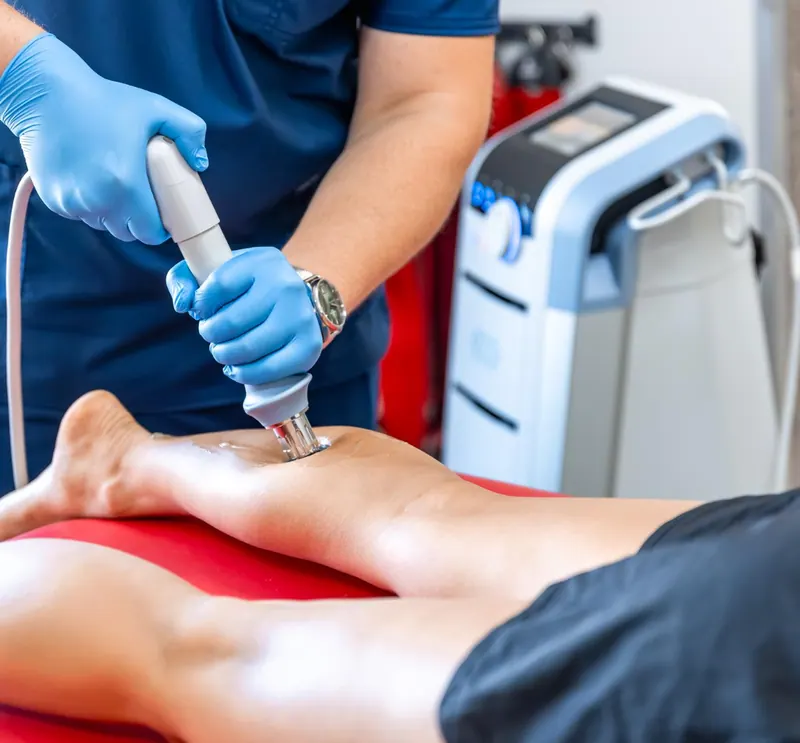
Clinician applying shockwave therapy to a patient’s heel
Small steps. A clearer path forward.
01Understand your pain
02Explore your options
03Make an informed choice
04Move with a plan
Understanding shockwave

A targeted approach. A thoughtful next step.

Radial shockwave therapy uses acoustic pressure waves directed at the affected tissue. It is intended to support the body’s repair response and may be considered for persistent foot and ankle symptoms.

Choosing treatment starts with a conversation: what hurts, what you have tried and what you want to get back to. Ask about the expected benefits, limitations and alternatives before making a decision.

Take a closer look at treatment
Conditions to discuss

When everyday steps become uncomfortable.

Two common reasons people explore shockwave therapy.
An assessment helps establish the cause of your symptoms.

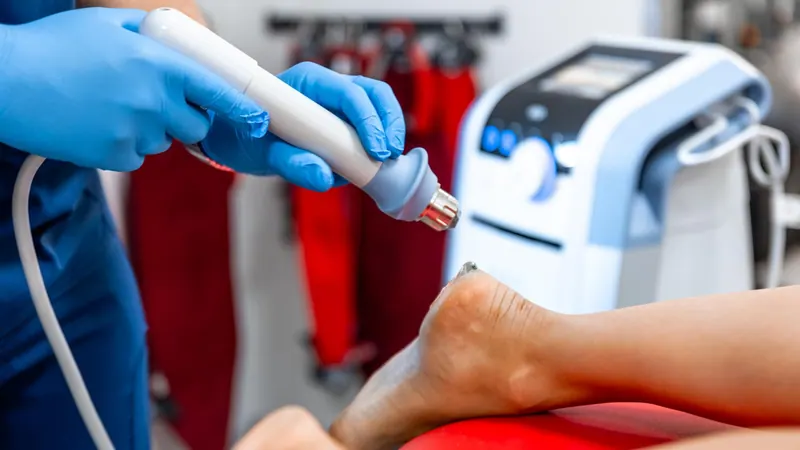
Clinician holding a treatment applicator near a patient’s heel
/ 01

Plantar fasciitis & heel pain

Persistent pain beneath the heel deserves a clear diagnosis. Ask a podiatrist whether shockwave belongs in your treatment plan.

Prepare for your assessment

Bring a note of when your pain occurs, the shoes you wear and the treatments you have already tried.
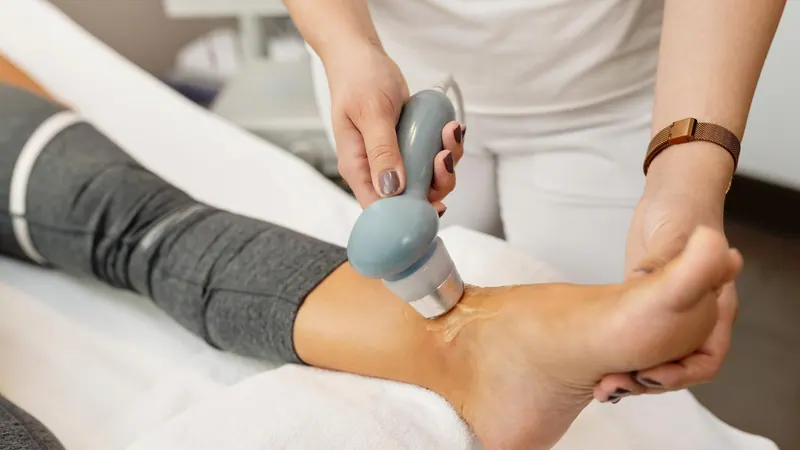
Handheld applicator positioned at a patient’s ankle
/ 02

Achilles tendinopathy

For ongoing Achilles tendon symptoms, explore your options with a clinician who can assess the tendon and your activity demands.

Prepare for your assessment

Discuss your walking, running or sporting goals and ask how your progress will be reviewed.

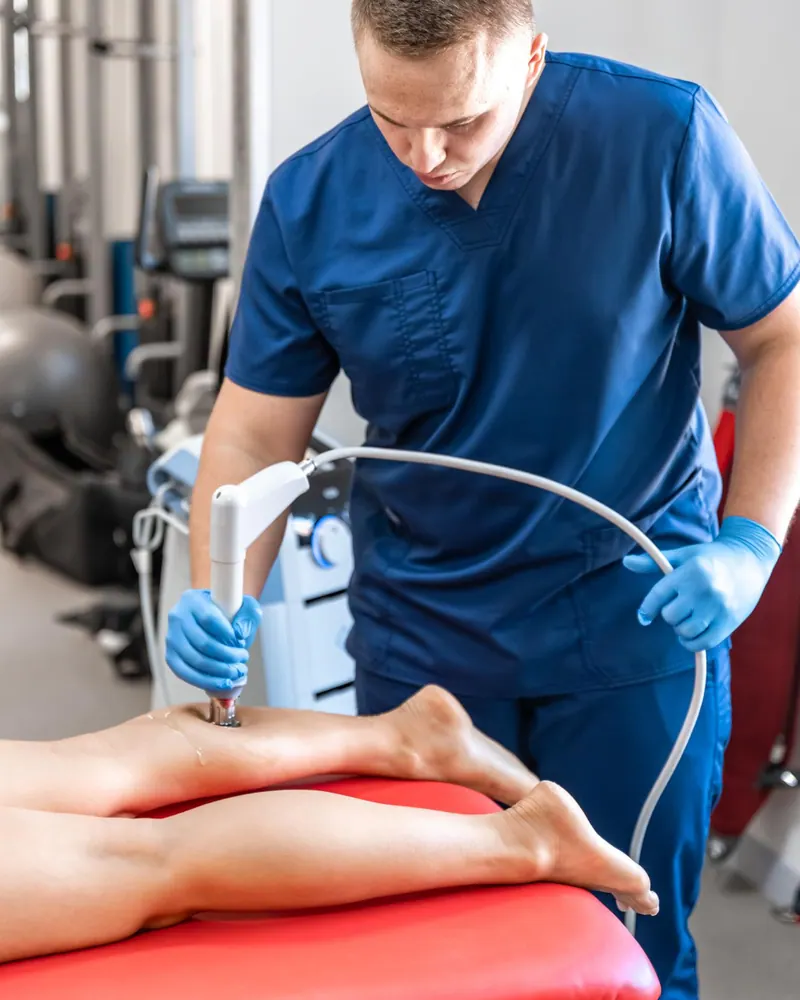
Clinician delivering shockwave treatment to a patient’s foot in a treatment room
What to expect

A clear process, at your pace.

The treatment area is identified, gel is applied and a handheld probe delivers pressure waves. A session typically includes 5–10 minutes of treatment per area.

  1. 01

    Start with an assessment

    Discuss your symptoms, medical history and previous care.

  2. 02

    Understand the plan

    Ask why treatment is recommended and what other options you have.

  3. 03

    Review your progress

    Agree on review points and discuss any change in your symptoms.

An individual decision

The right treatment starts with the right questions.

Every story is different. Your day-to-day activities, previous treatment and personal goals all belong in the conversation.

  • What is causing my symptoms?
  • Why is shockwave being considered for me?
  • How will we know whether the plan is helping?
More answers to common questions
Your movement matters

Whatever moving well means to you.

01

Your everyday routine

Walking the dog. Getting to work. Feeling more comfortable during the ordinary moments.

Plan your next step
02

An active lifestyle

A favourite running route, a weekend match or simply the freedom to stay active.

Plan your next step
03

Time on your feet

Long shifts, busy days and the activities that keep you standing and moving.

Plan your next step
A little more clarity

Your questions, answered.

Helpful starting points for a conversation with your treating clinician.

Send an enquiry
Is shockwave therapy an electrical shock?

No. A handheld applicator delivers acoustic pressure waves through the skin.

Does treatment hurt?

It can feel uncomfortable. Tell your clinician how it feels so they can adjust the intensity. Temporary soreness, redness or bruising can occur.

How many sessions will I need?

Some plans involve three to six weekly visits. Your clinician should explain the proposed course and review your response.

When might I notice a change?

Improvement may take several weeks. Results vary, and pain relief cannot be guaranteed. Ask when your progress will be reassessed.

Is shockwave suitable for everyone?

Suitability needs a clinical assessment. Discuss pregnancy, blood thinners, clotting disorders, recent steroid injections, cancer and skin wounds or infection before treatment.

What should I ask about costs and health cover?

Request the consultation fee, treatment fees and likely total cost before agreeing to a course. Confirm any benefits directly with your health insurer.

Send an enquiry

Your details will be used to respond to your enquiry. Please avoid including sensitive medical information.

Looking ahead

Your next step starts with a conversation.

Have a question about shockwave therapy in Melbourne? Send an enquiry using the form and include your preferred contact details.

For advice about your symptoms or treatment suitability, speak with a qualified podiatrist or healthcare professional.

Clear questions. Realistic expectations.
A plan that makes sense for you.

Further reading: Well Heeled Podiatry’s shockwave guide and Royal Orthopaedic Hospital patient information. This page provides general information and does not replace an individual assessment.